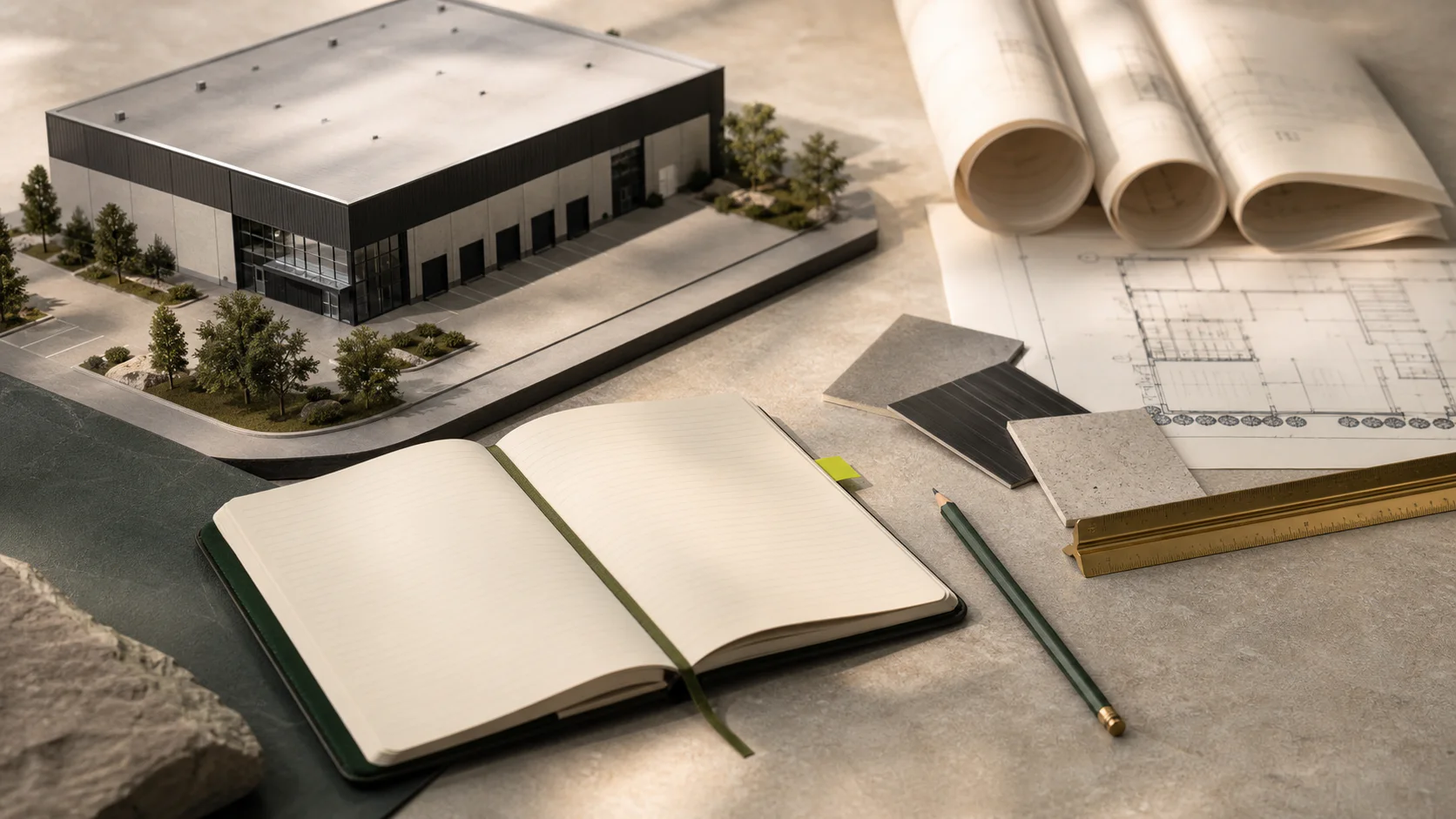
Start with the business event
An industrial search usually starts because the business is changing: a lease expires, capacity is constrained, a new market is opening, a process is changing or a facility no longer works. Write that event down before collecting listings.
Assign a decision owner, target occupancy date and internal approval path. These basics determine whether the right answer may be a renewal, relocation, sublease, expansion or build-to-suit discussion.
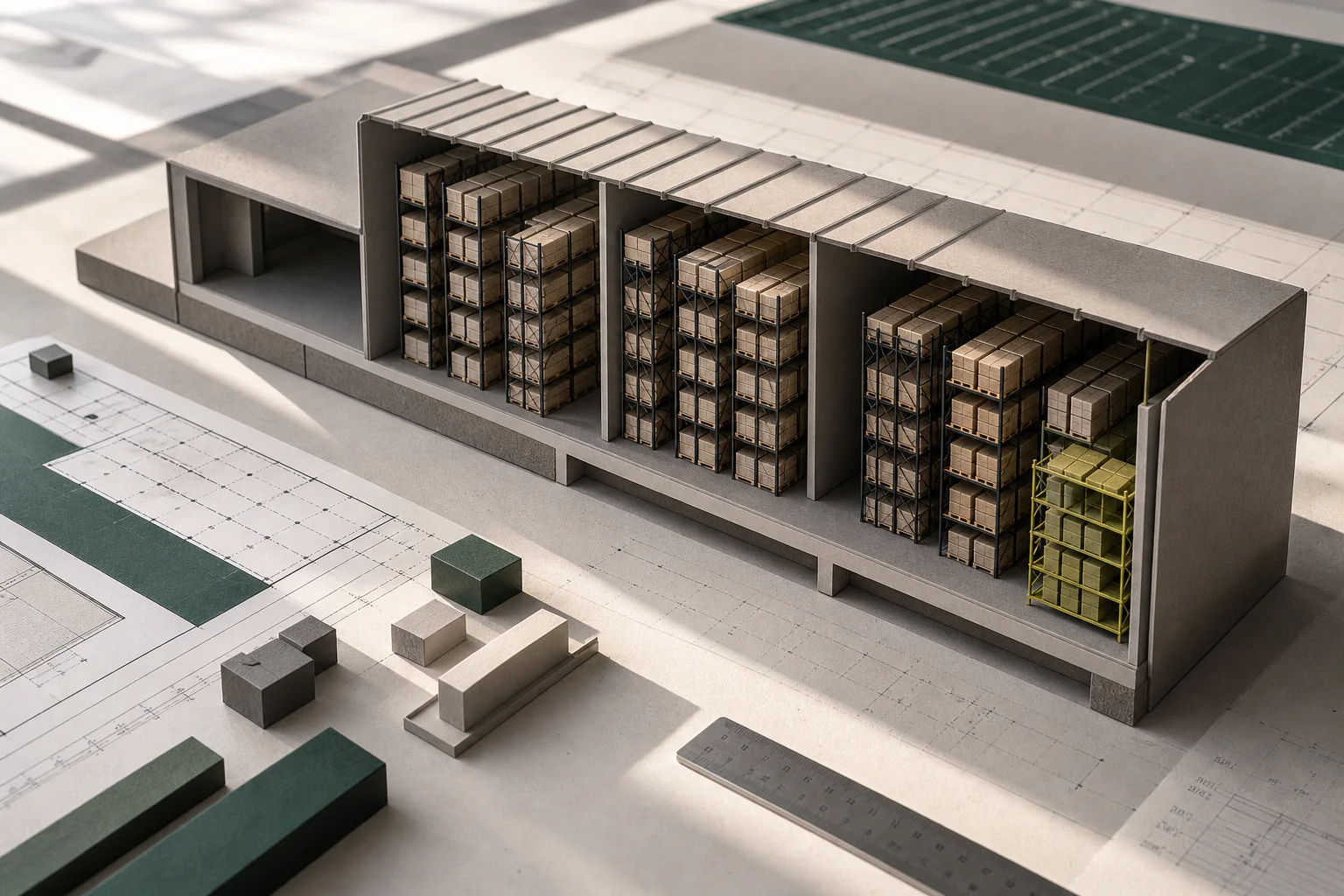
Convert operations into a property brief
Document size, process flow, storage, loading, clear height, power, office, parking, yard, customer access and permitted-use questions. Separate true requirements from preferences so alternatives can be compared honestly.
A useful brief also states the market or service territory, the delivery pattern, staffing considerations and the flexibility needed over the proposed term.
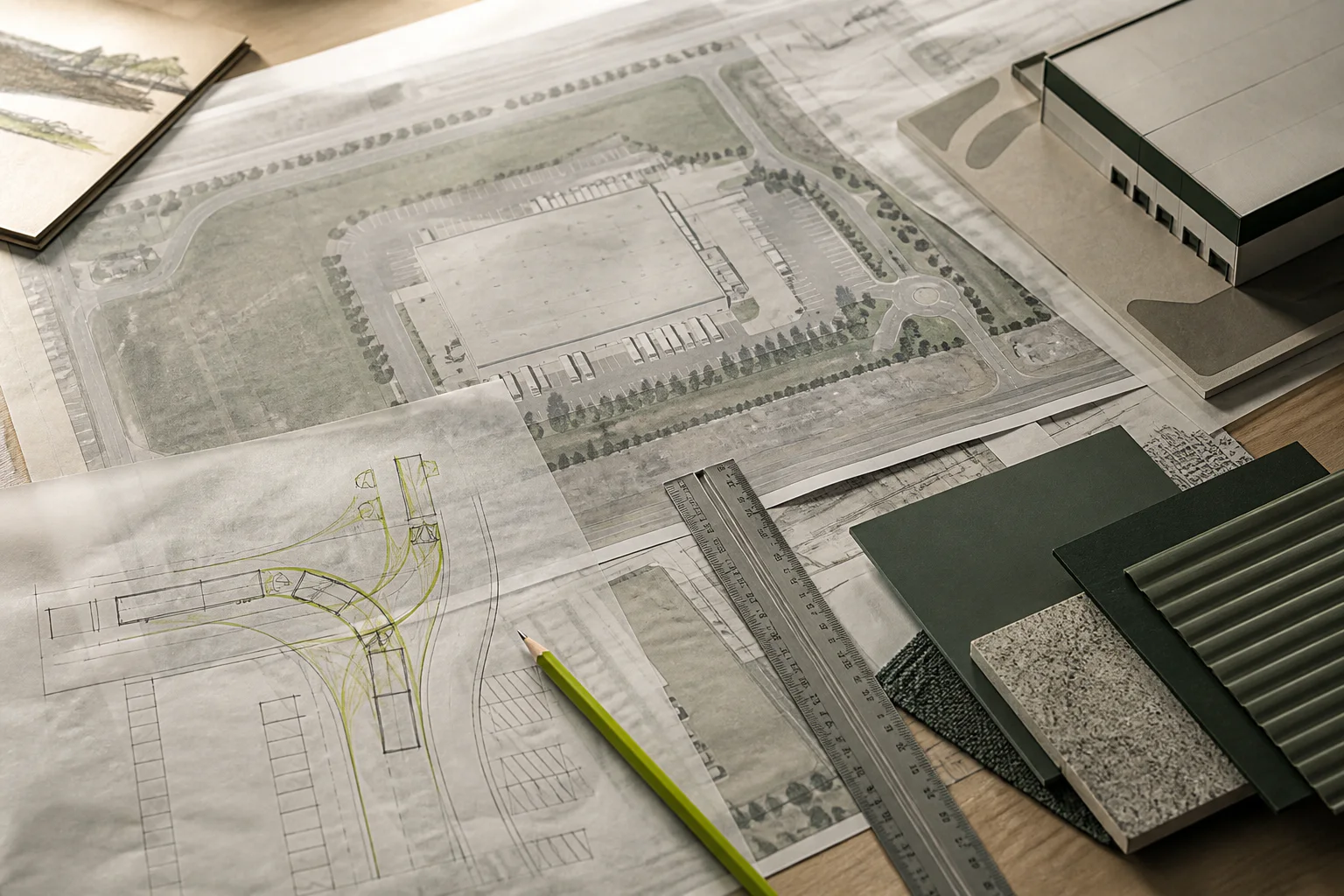
Compare decisions, not headlines
A quoted lease rate does not show full occupancy cost or business impact. Normalize base rent, additional rent, incentives, improvement costs, moving costs, downtime and flexibility across each serious option.
Validate property facts and legal, technical, environmental, financial and regulated real estate issues with the appropriate professionals before any commitment.
What specific operating change must the next facility solve?
Next step
Use this guide as a decision framework, then validate property-specific facts and obtain appropriate legal, financial, technical and regulated real estate advice before committing.