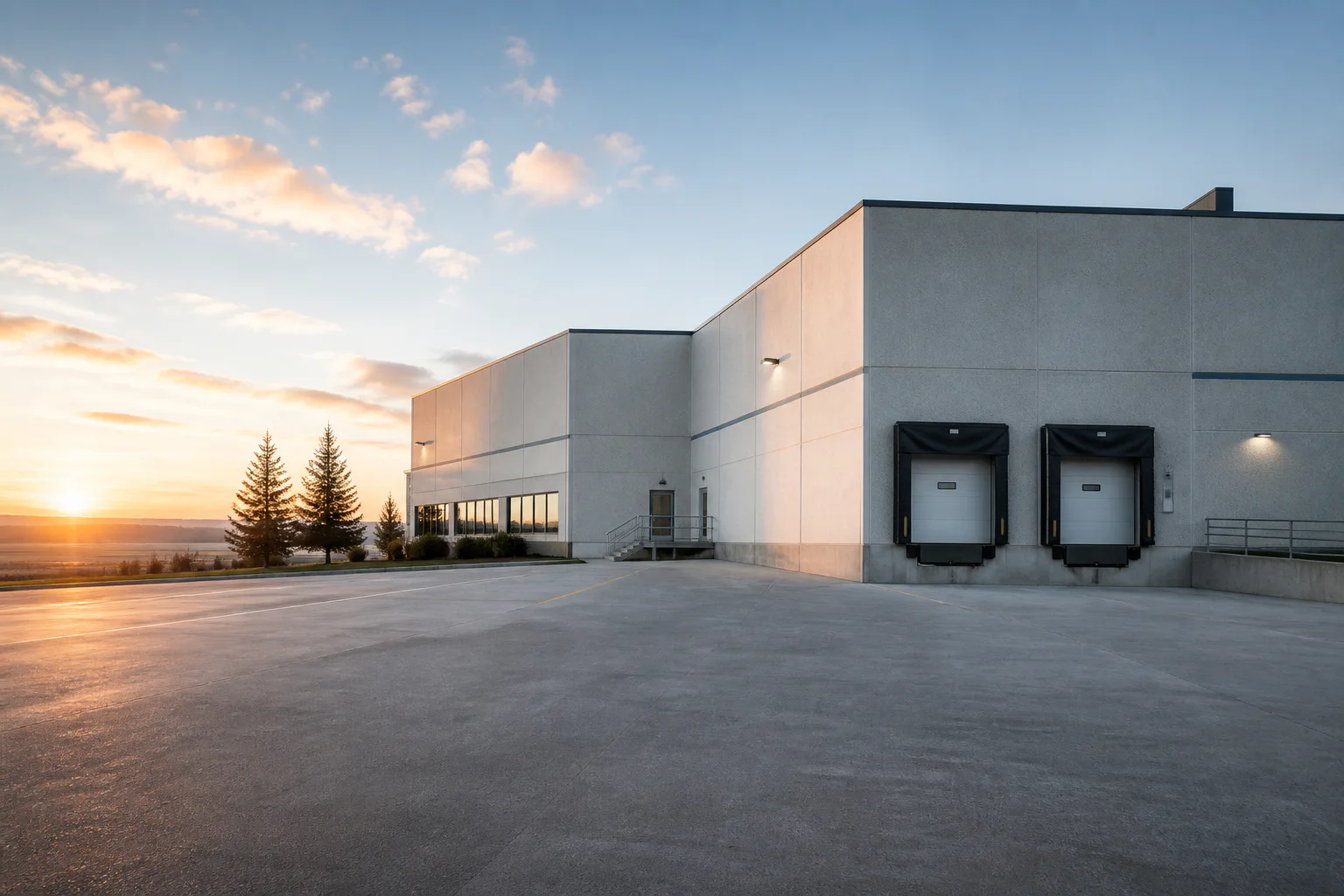
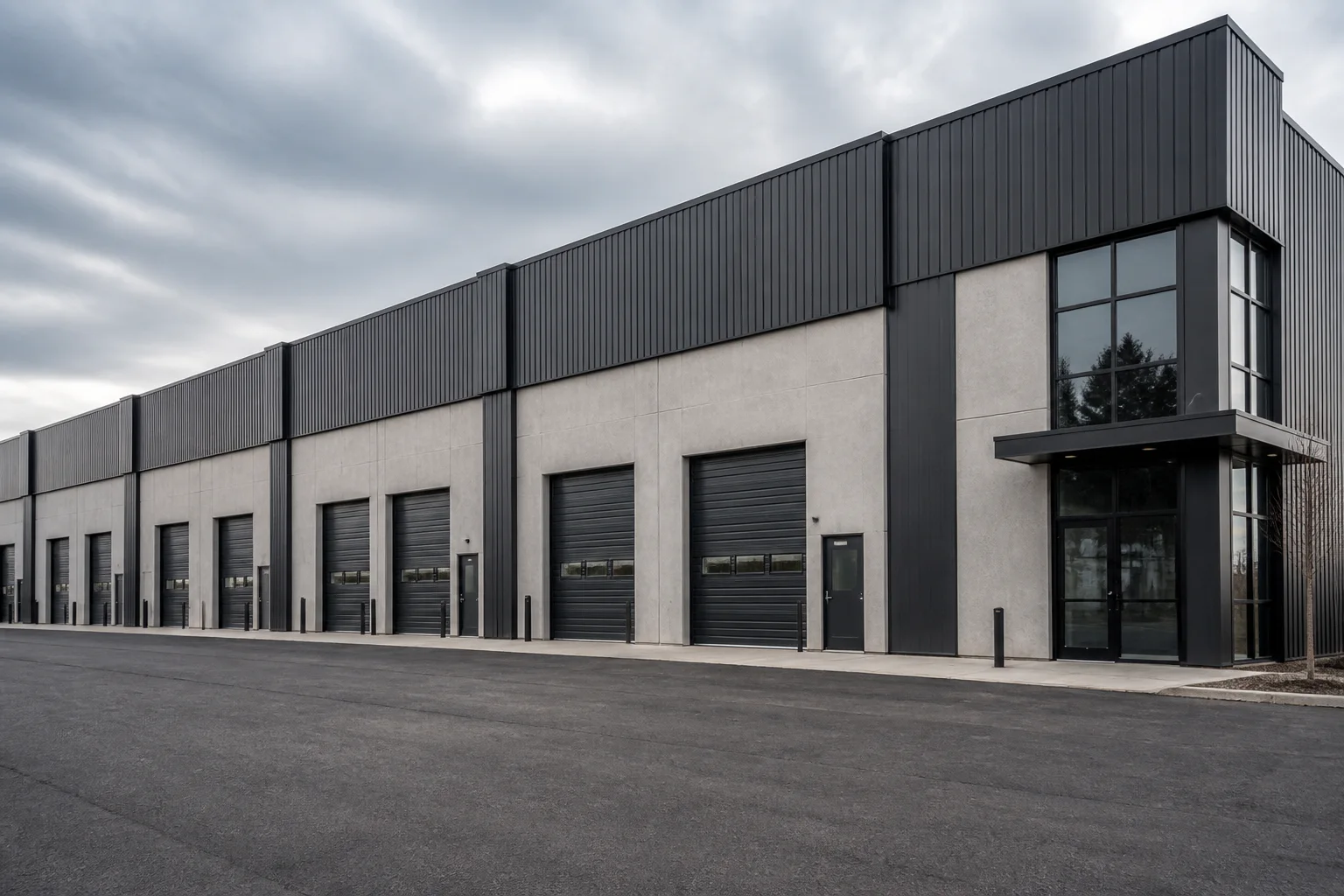
What defines a useful distribution centres?
Use the building description as a starting point—not as a substitute for testing operational fit. The practical details below can determine whether a space helps or constrains the business.
Key requirements to define
Decision framework
Peak-day throughput
Define shipment frequency, trailer turns, parcel or pallet mix, staging needs, cut-off times and peak volume. These facts establish the loading and dock requirement more reliably than a rule of thumb.
Network location
Compare the property with customers, carriers, labour and regional highway routes. A lower occupancy cost can be outweighed by recurring extra miles, missed delivery windows or difficult recruitment.
Scalable operations
Test expansion space, process flexibility, automation assumptions, power, office and parking against the expected operating plan over the proposed term.
Common failure modes
- Too few dock positions for peak volume
- Insufficient trailer, staging or loading-court capacity
- A location that weakens delivery economics
- A layout that blocks future process or automation changes
Common uses
Confidential opportunities
Some business requirements are best discussed before specifics are shared. The opportunities below are intentionally address-free and illustrative of the kind of conversation the platform is designed to start.